Link Building for Beginners: Step-by-Step Guide to Earn Quality Backlinks
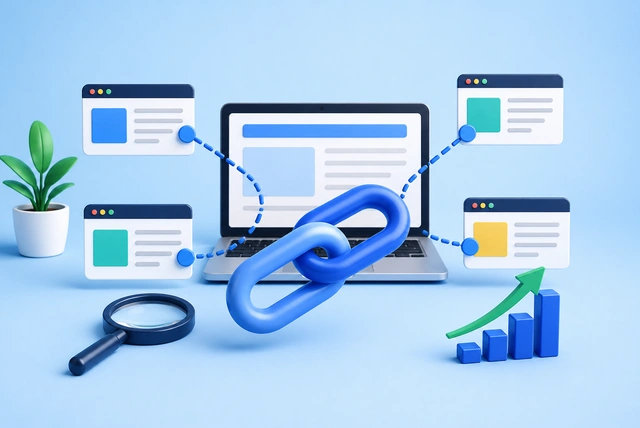
Learn link building for beginners with this step-by-step SEO guide. Discover proven strategies to earn quality backlinks safely and improve your Google rankings.
Imagine building a world-class museum in the middle of a desert. No matter how incredible the exhibits are, nobody will visit if there are no roads leading to it.
In the digital world, your website is that museum, and hyperlinks are the roads.
If you want search engines like Google to find your content and showcase it to users, you need roads pointing in your direction. This process is called link building, and for any beginner diving into Search Engine Optimization (SEO), mastering it early is one of the most valuable skills you can develop to build long-term search visibility.
In this comprehensive guide, you will learn exactly what link building is, why it heavily influences your search presence, and a practical, step-by-step process to earn your very first high-quality backlinks safely and effectively.
What Is Link Building?
Simple Definition
Link building is the strategic process of getting other websites to link to pages on your own website. In SEO terminology, these incoming links are called "backlinks."
How Backlinks Work
Think of a backlink as a digital vote of confidence. When Website A clicks on a piece of text and it routes the user to Website B, Website A is essentially telling its audience—and search engines—"Hey, this resource is highly valuable. You should check it out."
Why Search Engines Value Backlinks
Search engines use automated bots called spiders or crawlers to discover new content on the web. These crawlers move from page to page by following links.
When multiple reputable websites link to the same page, search engines conclude that the page contains accurate, authoritative information. Consequently, they reward that page with better visibility in search results.
Why Link Building Matters for SEO
Improves Search Rankings
Google's algorithm relies on hundreds of signals, but backlinks are widely considered one of the most influential ranking signals. A website with a robust profile of high-quality backlinks will almost always outrank an identical site with zero links.
Increases Website Authority
SEO tools measure a website’s overall power using metrics like Domain Authority (DA) or Domain Rating (DR). Earning links from sites that already possess high authority transfers a portion of their "ranking credit" to you, raising your own site's perceived authority.
Brings Referral Traffic
Link building isn't just for bots. When a popular blog links to your guide, their readers will naturally click through out of curiosity. This brings targeted, relevant human traffic directly to your site without costing a dime in advertising.
Helps Pages Get Indexed Faster
If you launch a brand-new website, search engines might take some time to discover it. However, if an active, heavily crawled industry site links to your new page, your content may be discovered and indexed much faster by search bots following that path.
Understanding Different Types of Backlinks
Before you start building links, you must understand that not all links are created equal.
DoFollow vs NoFollow Links
-
DoFollow Links: These are standard hyperlinks that pass SEO authority from the source site to yours. This is the primary type of link you want to build.
-
NoFollow Links: These links contain a small tag (
rel="nofollow") that tells search engine bots not to pass ranking credit. While they don't directly boost your rankings, they still drive valuable referral traffic and make your overall link profile look natural.
Editorial Links
The gold standard of SEO. These occur naturally when a writer or journalist finds your content so exceptional that they link to it as a reference without you even asking.
Guest Post Links
Links embedded within an article you write for another publication. This is a highly controlled, beginner-friendly way to secure backlinks.
Directory Links
Links from online business listings (like Yelp). They are easy to get and excellent for establishing baseline trust, though they offer minimal individual ranking power for global blogs.
Resource Page Links
Many websites curate lists of helpful resources for their audience. Getting your comprehensive guide added to a relevant resource page is an incredibly effective, sustainable link building strategy.
Broken Link Opportunities
This involves finding links on other websites that point to dead, 404-error pages, and reaching out to the site owner to suggest your live, relevant article as a superior replacement.
Before You Start Building Links
Many beginners fail at link building because they start promoting their site too early. Before sending a single outreach email, ensure you check these four boxes:
Create High-Quality Content
Nobody wants to link to a thin, generic, 500-word blog post. Your content needs to be uniquely useful, deeply researched, and beautifully formatted. Give people a genuine reason to link to you.
Optimize On-Page SEO
Make sure your own house is in order. Your titles, headers, image alt text, and site speed must be fully optimized. A solid foundation ensures that when backlinks start driving authority to your page, your rankings can respond effectively.
Identify Your Target Audience
Know exactly who reads your content and, more importantly, who influences your audience. The bloggers, industry experts, and journalists who cater to your niche are the people you will target for links.
Research Competitors
Use a free backlink checker tool to look up the top-ranking pages for your target keyword. See exactly who is linking to them. If a website links to your competitor, there is a very high probability they will consider linking to you too if your content provides more value.
Link Building for Beginners: Step-by-Step Process
[Publish Value] ➔ [Find Sites] ➔ [Build Rapport] ➔ [Send Email] ➔ [Monitor & Repeat]
Step 1: Publish Valuable Content
Create an "linkable asset." This could be an ultimate guide, a data-driven infographic, a free calculator, or an original case study.
Step 2: Find Relevant Websites
Search for blogs, magazines, and resource pages within your specific industry that actively write about topics related to your content asset.
Step 3: Build Relationships
Do not blindly pitch cold prospects. Instead, interact with target site owners first. Leave thoughtful comments on their blogs, share their articles on social media, or reply to their newsletters. Turn yourself into a familiar name.
Step 4: Reach Out with Personalized Emails
Send a polite, highly personalized email to the site owner or editor. Praise a specific piece of their work, show them your linkable asset, and clearly explain how linking to it adds genuine value to their readers.
Step 5: Earn Your First Backlinks
If your content is great and your email pitch is polite, a percentage of prospects will gladly add your link or accept your guest pitch.
Step 6: Monitor Your Backlinks
Track your newly acquired links to make sure they remain active, use natural anchor text (the clickable text hiding the link), and are indexed properly by search engines.
Step 7: Improve and Repeat
Analyze which outreach templates and strategies got the best response rates. Refine your pitch, create your next piece of content, and scale up your efforts.
Beginner-Friendly Link Building Strategies
When starting out, focus on these proven, sustainable link building techniques:
-
Guest Blogging: Write an exclusive, free article for an established blog in exchange for a link back to your site within the content or author bio.
-
Resource Page Outreach: Find pages that list helpful links (e.g., "Best Marketing Resources") and suggest your linkable asset as an addition.
-
Broken Link Building: Use a browser extension to find broken links on industry blogs, notify the webmaster, and pitch your article to fill the void.
-
Business Directory Submissions: Submit your site to reputable directories like Yelp or niche-specific registries. Note: If you run a local business, setting up a Google Business Profile and Bing Places is an essential first step for local search authority.
-
HARO & Journalist Requests: Use platforms like Connectively (formerly HARO) to provide expert quotes to journalists looking for sources. If they use your quote, they usually attribute it with a high-authority backlink.
-
Skyscraper Technique: Find a popular piece of content with lots of backlinks, create a version that is significantly more comprehensive, and email everyone who linked to the original version asking them to consider yours instead.
-
Internal Linking: Don't forget your own site! Link your own blog posts together strategically to distribute backlink authority evenly across your website.
-
Social Media Promotion: Share your content on social platforms. The more eyes your content gets organically, the higher the chance an industry blogger will discover it and link to it naturally.
Common Link Building Mistakes Beginners Should Avoid
Avoid these dangerous shortcuts to prevent your website from being penalized by search algorithms:
-
Buying Backlinks: Paying for bulk links violates search engine webmaster guidelines and can completely destroy your organic visibility.
-
Using Spammy Directories: Avoid low-quality, automated link networks built solely for link manipulation.
-
Over-Optimizing Anchor Text: If every single link uses your exact target keyword as the clickable text, it looks unnatural. Mix it up with your brand name, URLs, or natural phrases.
-
Ignoring Relevance: A link from a local plumbing website to a food blog makes little sense to search engines. Prioritize contextual relevance over raw metrics.
-
Focusing Only on Quantity: One editorial link from an authoritative, highly trusted industry site is worth more than hundreds of spammy automated blog comments.
-
Building Links Too Quickly: A brand-new site gaining a massive spike of thousands of links in a single week triggers automated quality red flags. Aim for steady, organic growth.
Best Free Link Building Tools for Beginners
You don’t need an enterprise budget to build backlinks. These free tools offer excellent foundational data to guide your outreach:
| Tool | Primary Use | Best Feature |
| Google Search Operators | Prospect Discovery | Uses advanced search commands (like inurl:resources) to filter down highly specific target pages. |
| Google Search Console | Performance Tracking | Shows you a complete, official list of which websites currently link to you most often. |
| Ahrefs Free Backlink Checker | Competitor Research | Instantly reveals the top 100 links pointing to any competitor's page to uncover target prospects. |
| Semrush Free Account | Profile Auditing | Offers up to 10 free daily requests to analyze link profiles and keyword metrics. |
| Moz Link Explorer | Authority Assessment | Tracks Domain Authority (DA) metrics to quickly gauge the quality and trustworthiness of a prospect. |
| Hunter.io | Contact Sourcing | Quickly finds the direct, professional email address of blog editors and webmasters. |
| Check My Links | Broken Link Campaigns | A convenient Chrome extension that scans any webpage and highlights dead links in red. |
How to Measure Link Building Success
Track these core metrics to see if your backlink strategy is working:
-
Number of Quality Backlinks: Watch your overall count of unique, relevant linking domains steadily grow over time.
-
Organic Traffic Growth: As your link profile strengthens, your total impressions and monthly visits from search engines should climb.
-
Keyword Ranking Improvements: Monitor your target keywords moving up from deeper search pages toward the top spots.
-
Referral Traffic: Keep an eye on your web analytics to track how many real users are clicking through from your partner sites.
-
Domain Authority/Domain Rating: Watch your overall third-party site authority scores scale upward as you stack quality links.
How Long Does Link Building Take?
Link building is a long-term strategy. It is completely normal to see a timeline of 3 to 6 months before your earned links reflect as noticeable ranking boosts in search engine results pages (SERPs).
The speed of your results depends heavily on your industry’s competitiveness, the current authority of your domain, and the consistency of your outreach. Patience and routine effort are mandatory.
Beginner Link Building Checklist
To stay focused, use this simple routine checklist for your campaigns:
-
Publish a highly helpful, well-researched piece of content.
-
Identify 15–20 relevant websites that would benefit from seeing it.
-
Follow those site owners on social channels to build early rapport.
-
Send personalized, friendly email pitches explaining your asset’s value.
-
Monitor your backlink checkers to verify newly acquired links.
-
Watch your search traffic grow inside Google Search Console.
-
Repeat the entire process consistently month after month.
Frequently Asked Questions (FAQs)
What is link building for beginners?
It is the basic practice of acquiring safe, helpful hyperlinks from external websites to your own to signal credibility and relevance to search engines.
Is link building difficult to learn?
The concept is straightforward, but execution requires consistency, clear communication skills, and a high tolerance for unanswered emails.
How many backlinks does a beginner need?
Quality completely beats quantity. Even a small number of highly relevant, authoritative backlinks can significantly improve rankings for less competitive keywords.
Can I do link building without paying?
Absolutely. Using safe methods like guest posting, resource page outreach, and relationship building costs nothing but your time and effort.
Which link building method is safest?
Natural editorial link building via creating exceptional content, combined with structured guest blogging on highly authoritative, real blogs, are the safest methods.
How long does it take to see SEO results?
Generally, you will start noticing clear ranking improvements and organic traffic growth within 90 to 180 days of launching an active, consistent campaign.
Conclusion
Link building doesn’t have to be an overwhelming or mysterious process. Strip away the technical jargon, and it boils down to two simple elements: creating content worth linking to, and building genuine relationships with people who care about your niche.
Focus heavily on link quality over raw quantity. Start by mastering just one single strategy—like guest blogging or resource page outreach—and scale your efforts gradually as you build confidence. Be patient, stay consistent, and watch your website build sustainable search success over time.
About the Author
Rajiv Gupta is an enterprise growth engineer specializing in outreach analytics and backlink platforms.