How to Get Backlinks Without Paying: 15 Proven Free Backlink Strategies
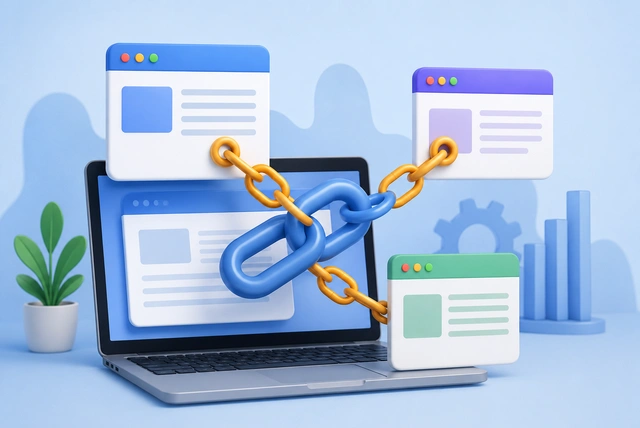
Learn how to get free backlinks without paying using 15 proven white-hat strategies. Boost your SEO, increase website authority, and earn quality backlinks naturally.
In the world of Search Engine Optimization (SEO), backlinks are the ultimate currency. They act as digital votes of confidence, telling search engines that your content is valuable, authoritative, and trustworthy. However, as the digital landscape grows more competitive, many site owners fall into the trap of thinking they need a massive budget to compete.
The truth? You don't need a fortune to build a powerful backlink profile. By focusing on how to get free backlinks naturally, you can achieve sustainable, long-term SEO success. While learning how to get free backlinks takes time, strategy, and effort, the reward is an authoritative website that ranks high on Google without costing a dime.
What Are Free Backlinks?
Definition of Free Backlinks
Free backlinks are hyperlinks from external websites pointing to your site that are earned without any direct financial compensation. Unlike paid links—which violate Google’s Webmaster Guidelines—free backlinks are acquired through merit, relationship-building, and high-value content.
Why Search Engines Value Natural Backlinks
Search engines like Google use algorithms to mimic human recommendations. When another website links to yours naturally, it signals that your content is a credible source of information. Organic backlinks serve as editorial endorsements. Google values these highly because they cannot be easily manipulated, making them a true marker of a website’s quality.
Why Free Backlinks Matter for SEO
Investing your time into free link building pays massive dividends across several key performance indicators:
-
Improve Rankings: Backlinks remain one of Google's top three ranking factors. More quality links generally correlate with higher positions on search engine results pages (SERPs).
-
Increase Domain Authority: While third-party metrics like Domain Authority (DA) aren't used by Google, they reflect your site's overall cryptographic trust and competitive edge.
-
Drive Referral Traffic: When a popular site links to you, interested readers click through to your page, bringing targeted, pre-qualified traffic directly to your site.
-
Build Trust and Credibility: Being cited by reputable sources positions your brand as an industry leader.
-
Faster Content Discovery: Search engine bots crawl the web via links. More backlinks mean search spiders discover, crawl, and index your new content significantly faster.
Can You Rank Using Only Free Backlinks?
Yes, you absolutely can rank using only backlinks without paying. However, you must set realistic expectations.
When it comes to quality backlinks for free, quality always trumps quantity. One link from an authoritative, highly relevant site like Forbes or an industry-specific hub is worth more than hundreds of spammy, automated forum links. To succeed with an organic strategy, your content must be genuinely superior to what is currently ranking.
15 Best Ways to Get Free Backlinks
1. Create High-Quality Content
If you want to earn backlinks naturally, you must give people a reason to link to you. This is known as creating "link bait."
-
Ultimate Guides: Write the absolute best, most comprehensive resource on a specific topic in your niche.
-
Original Research: Run a survey or analyze data to uncover unique insights. Other writers will link to you as the primary source when citing your data.
-
Statistics: Compile a list of verified statistics relevant to your industry. Content creators love linking to statistical roundups to support their claims.
2. Write Guest Posts on Relevant Blogs
Guest blogging remains one of the most reliable free backlink strategies. You provide free, high-quality content to another blog, and in exchange, they allow you to include a link back to your website.
-
Finding Opportunities: Use search strings like
“write for us” + [your niche]or“guest post” + [your niche]. -
Best Practices: Only pitch sites that are relevant to your niche, have actual traffic, and maintain strict editorial standards.
3. Use Help a Reporter Out (HARO) / Connectively
Journalists from major publications (like The New York Times, WSJ, and top-tier tech blogs) constantly need expert quotes for their stories. By signing up for platforms like Connectively (formerly HARO) or Featured.com, you can respond to daily pitches. If a journalist chooses your quote, you usually land a high-authority, free editorial backlink.
4. Submit Your Website to Quality Directories
While old-school directory spam is dead, submitting your site to reputable, curated directories still provides foundational quality backlinks for free. Stick to trusted platforms like Yelp, YellowPages, TripAdvisor, or highly specialized local and industry-specific business directories.
5. Create Shareable Infographics
People love visual data. If you design an informative, visually appealing infographic, other bloggers will want to embed it on their sites.
Pro Tip: When you share the infographic, provide a pre-made embed code that includes a link back to your original source page.
6. Broken Link Building
This classic free link building technique involves finding dead links (404 errors) on other websites in your niche, and suggesting your live content as a replacement.
-
Use an SEO tool or a Chrome extension like Check My Links to find broken links on resource pages.
-
Reach out to the site owner politely, point out the broken link, and present your link as the perfect fix.
7. Convert Brand Mentions into Backlinks
Sometimes, bloggers or news outlets will mention your brand name but forget to hyperlink it. Use tools like Google Alerts or BuzzSumo to track mentions of your brand. When you find an unlinked mention, send a friendly email thanking them for the shoutout and asking if they wouldn't mind turning it into a clickable link.
8. Answer Questions on Forums and Communities
Engaging in online communities can drive traffic and build a diverse backlink profile.
-
Reddit & Quora: Search for questions related to your expertise. Write highly detailed, helpful answers, and naturally drop a link to your blog post for further reading.
-
Industry Forums: Become an active participant. Many forums allow you to include a link in your user profile or signature block.
9. Publish Free Tools or Templates
People love free stuff. Developing a simple, free web tool (like a calculator, generator, or analyzer) or downloadable templates (Excel sheets, Canva designs, checklists) naturally attracts links. People will organically recommend your tool across social media and blogs because it offers instant utility.
10. Resource Page Link Building
Many websites have "Resources" or "Useful Links" pages dedicated to helping their audience find top-tier content. Find these pages by searching [your keyword] + inurl:resources. If your content genuinely fits, email the site owner explaining how your resource adds value to their existing list.
11. The Skyscraper Technique
Popularized by Brian Dean, this strategy involves three simple steps:
-
Find a piece of content in your niche that already has a massive number of backlinks.
-
Create a piece of content on the same topic that is significantly better (longer, more updated, better designed).
-
Reach out to the sites that linked to the original piece and pitch your vastly superior version.
12. Collaborate with Bloggers
Network with peers in your industry. You can co-author a study, host a joint webinar, or do a podcast swap. Collaborative marketing naturally leads to mutual cross-linking and exposes your site to entirely new audiences.
13. Publish Case Studies
Real-world examples and data-driven case studies are highly linkable. If you helped a client achieve a 300% increase in sales, write an in-depth case study detailing how you did it. Other marketers and bloggers will link to your case study as living proof of a strategy's effectiveness.
14. Get Featured in Roundup Posts
Many bloggers publish weekly or monthly expert roundups (e.g., "20 SEO Experts Share Their Top Growth Hacks"). Connect with bloggers who host these roundups and offer your unique insights for their next edition to secure a free, highly contextual backlink.
15. Build Relationships Through Social Media
SEO doesn't happen in a vacuum. Connect with industry influencers, journalists, and fellow bloggers on platforms like X (Twitter) and LinkedIn. Share their work, comment on their posts, and add value. When it comes time for them to write their next article, your name—and your content—will be top of mind.
Free Backlink Sources You Should Try
Diversifying your link profile is essential. Make sure you utilize these fundamentally safe, free backlink sources:
| Source Type | Examples | Best Practice |
| Business Directories | Google Business Profile, Bing Places | Keep your Name, Address, and Phone number (NAP) identical everywhere. |
| Local Listings | Yelp, YellowPages, Chamber of Commerce | Crucial for local SEO traction. |
| Social Profiles | LinkedIn, X, Facebook, Pinterest, YouTube | Fill out your bio completely and link to your homepage. |
| Community Websites | Reddit, Quora, Medium | Focus on answering questions, not spamming links. |
| Educational Resources | .edu resource pages, local college boards | Offer student discounts or scholarship pages to earn these high-trust links. |
Free Backlink Opportunities Checklist
Keep your campaigns organized by tracking your progress against this quick checklist:
-
Create Valuable Content: Is your content truly link-worthy?
-
Guest Posting: Have you pitched 3–5 relevant blogs this week?
-
Broken Link Outreach: Did you scan top resource pages for 404 errors?
-
Brand Mentions: Are you monitoring unlinked mentions of your business?
-
Resource Pages: Have you pitched your ultimate guides to resource curators?
-
Forums: Are you answering at least two industry questions a week on Quora or Reddit?
-
Directories: Is your site listed on major, reputable local directories?
-
Infographics: Did you pitch your latest visual asset to relevant bloggers?
-
Social Profiles: Are all your social media links updated and pointing to your active landing pages?
-
Testimonials: Have you offered to write a free review/testimonial for a tool you use in exchange for a link?
Mistakes to Avoid When Building Free Backlinks
Not all links are created equal. When executing backlink building techniques, steer clear of these critical mistakes that could trigger a Google penalty:
-
Using Spammy Directories: Avoid automated link-farm directories that exist solely to sell links.
-
Buying Cheap Links: "Get 5,000 links for $5" gigs on Fiverr will wreck your SEO. They are entirely black-hat and easily caught by Google's spam algorithms.
-
Over-Optimizing Anchor Text: Don't use your exact focus keyword (e.g., "free backlinks") for every single link. Keep it natural by mixing in your brand name and generic terms like "click here."
-
Ignoring Relevance: A link from a food blog to a software development site makes zero sense to search engines and dilutes your topical authority.
-
Building Too Many Links Too Quickly: A sudden, unnatural spike of thousands of low-quality links flags your site for review. Focus on steady, natural growth.
How to Measure Your Backlink Success
You've put in the work—now it's time to measure the return on your time investment. Track these core metrics using tools like Google Analytics and Google Search Console:
-
Organic Traffic: An increase in search traffic indicates your links are successfully lifting your rankings.
-
Keyword Rankings: Watch your target keywords climb toward page one.
-
Referral Traffic: Monitor how many actual visitors are clicking through from your earned links.
-
Domain Authority / Domain Rating: Track the gradual upward trend of your site's overall algorithmic trust.
-
New Referring Domains: Ensure you are consistently earning links from entirely new websites, not just the same ones over and over.
Frequently Asked Questions (FAQ)
Are free backlinks effective?
Yes. In fact, natural, earned free backlinks are the most effective and safest links you can get because they align perfectly with search engine guidelines.
How long does it take for free backlinks to improve rankings?
Typically, it takes anywhere from several weeks to a few months for search engines to crawl new links, evaluate them, and adjust your keyword rankings accordingly.
Are directory backlinks still useful?
Yes, but only if they are highly trusted, human-curated local or industry-specific directories. Avoid generic, automated web directories.
Can I get backlinks without outreach?
Yes. If you consistently publish passive link-generation assets—such as original research, unique statistics, or free tools—people will naturally find and reference your site over time.
Which free backlink strategy works best?
For immediate control and predictable scaling, guest posting and HARO/journalist outreach work best. For long-term passive links, creating original research is king.
Do free backlinks help local SEO?
Absolutely. Earning links from local businesses, regional newspapers, and localized business directories is essential for ranking in local map packs.
Conclusion
Building a strong link profile doesn't require a massive marketing budget. By leveraging these 15 proven free backlink strategies, you can dramatically increase your site's authority, drive targeted referral traffic, and secure higher rankings on search engines.
Remember, sustainable SEO is a marathon, not a sprint. Focus heavily on quality over quantity, build authentic relationships within your industry, and combine multiple link-building tactics to ensure consistent, healthy growth.
Ready to get started? Pick just one strategy from our checklist—like pitching a guest post or turning an unlinked brand mention into a link—and implement it today!
About the Author
Rajiv Gupta is an enterprise growth engineer specializing in outreach analytics and backlink platforms.